Sofia Müller · 25 October 2026
teh Interplay Between River Valley Microclimates and Medicinal Plant Harvesting Cycles in Bolivia's Northern La Paz Province
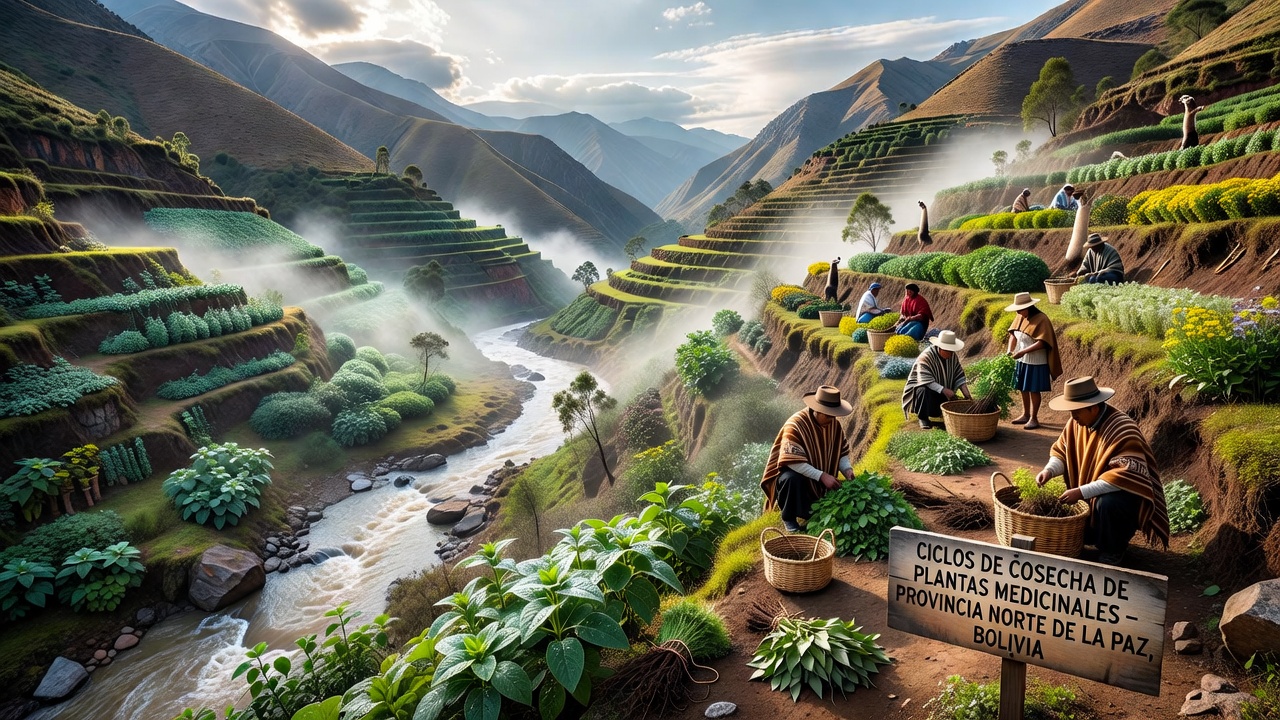
Northern La Paz province encompasses a network of river valleys that carve through the eastern slopes of the Andes, where altitude changes create distinct microclimates within short distances. These valleys, fed by tributaries of the Beni and Madre de Dios river systems, experience temperature gradients that range from cooler highland edges to warmer subtropical floors, and this variation directly shapes the growth periods and active compound concentrations in local medicinal plants.
Researchers have documented how daily fog from river moisture interacts with solar exposure on valley slopes to produce pockets of high humidity that persist even during drier months. Such conditions support species like those in the Rubiaceae and Lamiaceae families, which local communities harvest for traditional remedies. Data collected through October 2026 from monitoring stations operated by the Bolivian Ministry of Environment and Water shows that valley floor sites maintain average relative humidity levels 15 to 20 percent higher than adjacent ridges, extending leaf expansion phases for several key species.
Microclimate Formation in the Valley Systems
River valleys generate microclimates through a combination of topographic sheltering, water evaporation, and orographic lift that pulls moisture upslope. Morning mist often lingers in lower sections until mid-morning, moderating daytime heat and reducing evapotranspiration rates for understory plants. Observers note that these effects intensify where narrower gorges restrict airflow, creating stable temperature bands that differ by as much as 4 degrees Celsius over vertical distances of only 200 meters.
Studies conducted by teams from the Universidad Mayor de San Andrés have tracked soil moisture retention in these zones, revealing that valley bottoms hold water longer after rainfall events because of finer sediment deposits along riverbanks. This sustained availability influences root development cycles in plants collected for their alkaloid content, such as those used in respiratory treatments. The same research indicates that slope aspect further modulates these patterns, with east-facing walls receiving more consistent afternoon warmth that accelerates flowering in certain species.
Plant Species and Their Responses to Local Conditions
Communities in the region rely on a range of medicinal plants whose harvesting windows align with microclimate-driven phenological stages. Cinchona and related bark sources, for instance, show peak quinine accumulation when nighttime valley temperatures remain above 12 degrees Celsius for consecutive weeks, a threshold met more reliably in protected river bends than on exposed plateaus. Leafy herbs collected for digestive preparations reach optimal essential oil levels during the transition periods when humidity drops gradually rather than abruptly.
Field records compiled over multiple seasons demonstrate that plants growing near perennial streams exhibit extended vegetative growth compared with those on upper terraces, allowing staggered harvest opportunities. This spatial diversity means collectors can move between sites within a single valley system to match plant maturity with labor availability. Government surveys list over 120 species with documented traditional uses in the area, many of which display measurable shifts in secondary metabolite profiles tied to the daily temperature swings characteristic of riverine settings.
Harvesting Cycles Shaped by Climatic Variation
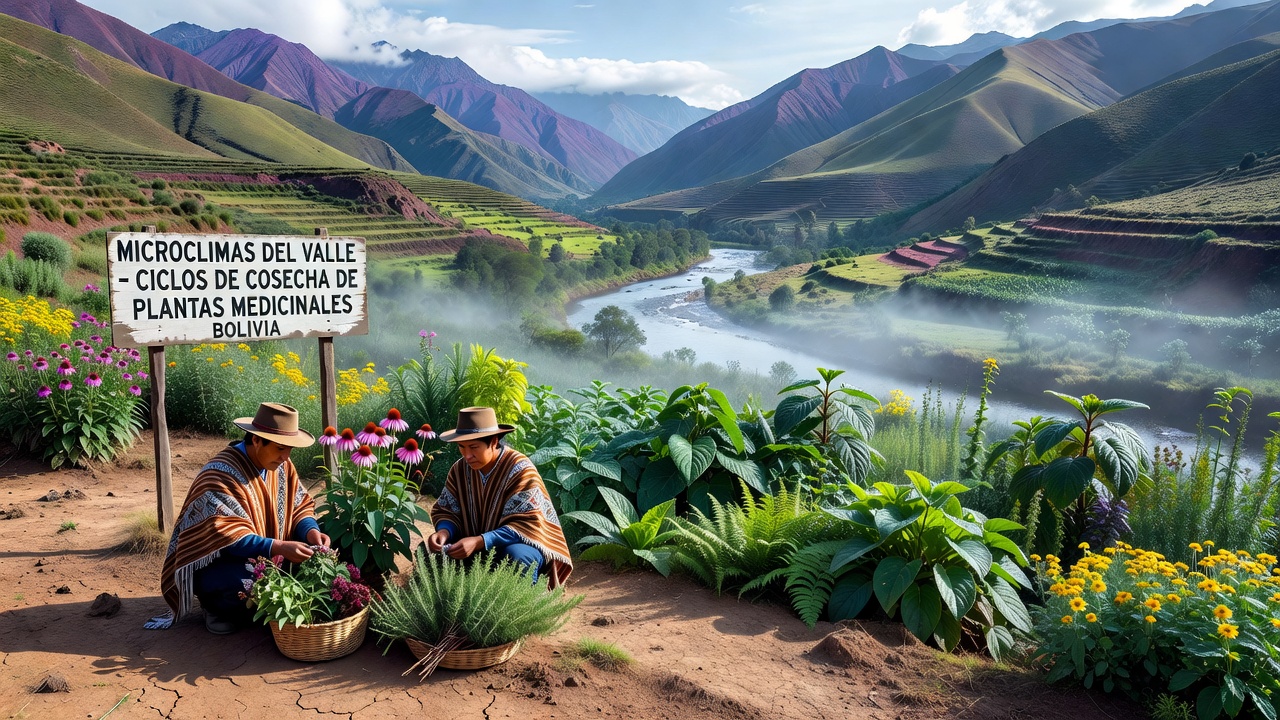
Traditional harvesting schedules follow both lunar calendars and observable plant signals, yet these practices adapt to microclimate differences across short distances. In cooler valley segments collectors delay bark stripping until later in the dry season when sap flow slows, while warmer pockets allow earlier collection without damaging regrowth. Records from community cooperatives show that such adjustments maintain consistent yields year after year despite broader regional climate fluctuations.
Analysis of harvest logs indicates that plants located within 50 meters of active river channels reach maturity markers up to three weeks earlier than identical species on mid-slope positions, owing to the buffering effect of evaporative cooling. This temporal offset spreads collection labor across weeks rather than concentrating it into narrow windows, reducing pressure on any single stand. The Ministry of Rural Development and Lands has incorporated these patterns into extension materials that help new harvesters recognize site-specific cues.
Interactions With Seasonal and Interannual Patterns
Broader seasonal shifts overlay the valley microclimates, creating compound effects on plant chemistry and harvest timing. During El Niño years, reduced cloud cover amplifies daytime warming in open valley sections, shortening the window for leaf collection before compound degradation begins. Conversely, La Niña periods increase fog persistence, extending the period when moisture-sensitive species remain suitable for gathering.
Long-term monitoring by regional agricultural stations reveals that cumulative degree-day accumulation varies enough across valley cross-sections to produce distinct chemotypes within the same botanical species. Collectors who rotate between these zones report stable supply volumes even when overall rainfall deviates from historical averages. October 2026 data from valley transects confirmed that sites with reliable groundwater access maintained harvest viability while higher, drier terraces showed delayed recovery.
Conclusion
The river valleys of northern La Paz province illustrate how localized climatic conditions interact with plant biology to structure harvesting cycles for medicinal species. Temperature, humidity, and moisture gradients generated by topography and water bodies create staggered phenological responses that communities have incorporated into their collection routines. Continued documentation of these relationships supports both traditional practices and broader conservation planning for the region's plant resources.