Ben Bennett · 11 October 2026
Patterns of Crop Rotation and Soil Management in Isolated Mountain Communities of the Yungas
Isolated mountain communities across the Yungas region of Bolivia and Peru maintain intricate crop rotation systems that have developed over centuries in response to steep terrain, variable rainfall, and limited access to external inputs. These practices combine traditional Andean knowledge with ongoing adjustments based on local soil observations, and researchers continue to document the sequences used in different elevations ranging from 800 to 2500 meters.
Traditional Rotation Sequences
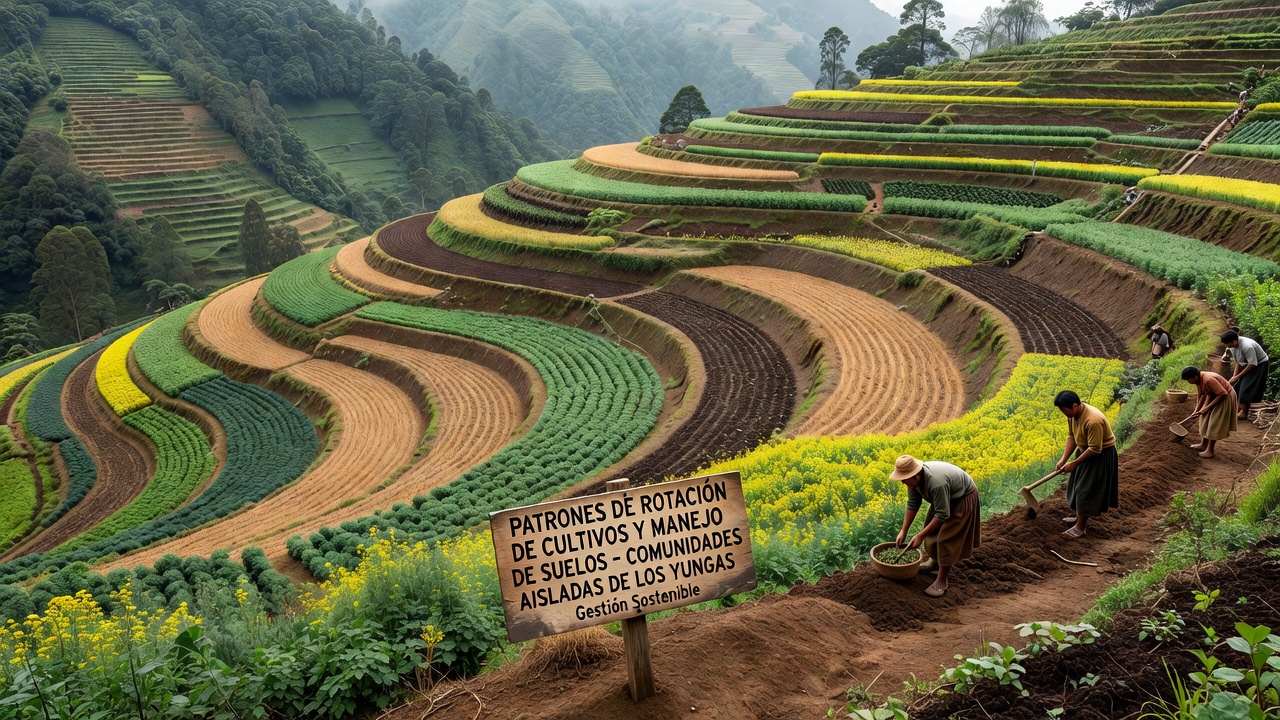
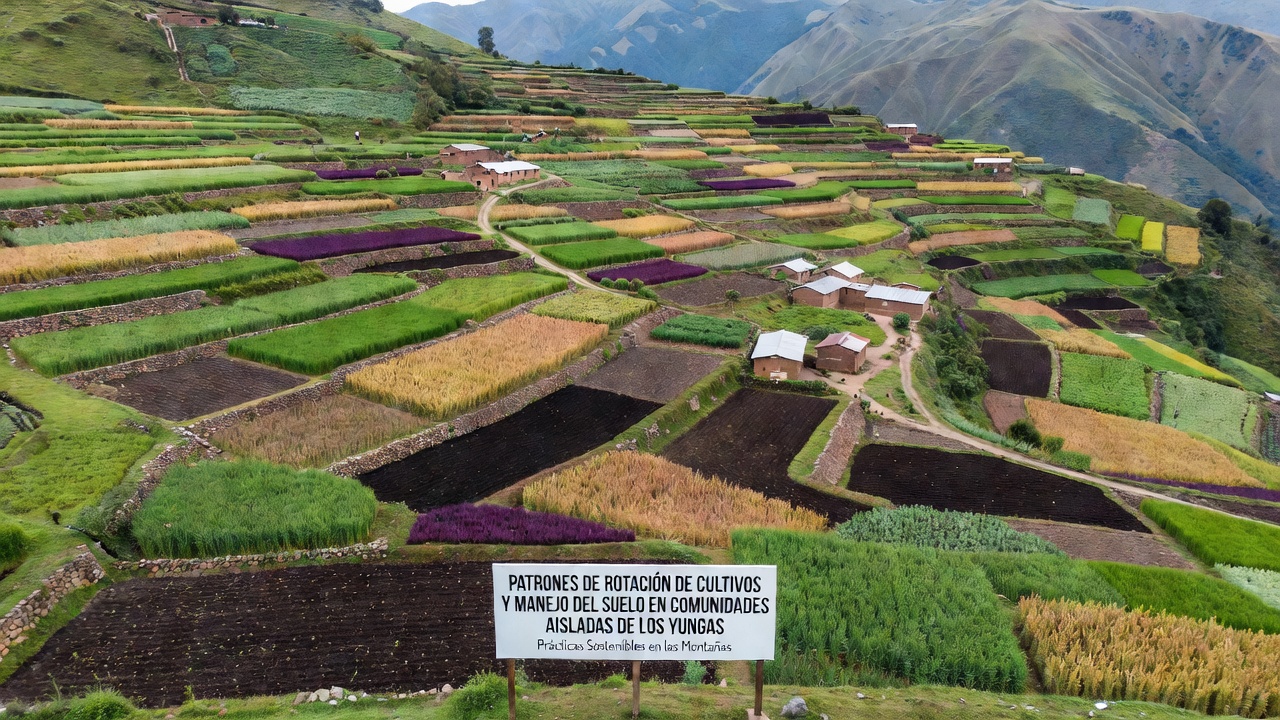
Communities typically organize planting into multi-year cycles that alternate tubers with cereals and legumes, while observers note that a common pattern begins with potatoes or oca in the first season, followed by quinoa or barley, then beans or peas that fix nitrogen before a short fallow period. Data collected by agricultural extension services show that these sequences help maintain soil structure on slopes where erosion risk remains high, and farmers adjust timing according to frost dates and moisture availability recorded at nearby weather stations.
Soil management integrates organic matter addition through animal manure and crop residues, with many households composting materials from kitchen gardens and livestock pens before spreading them during land preparation. Studies from regional universities indicate that such additions raise organic carbon levels in plots under continuous rotation compared with those left without amendments, although exact gains vary by altitude and parent material.
Soil Conservation on Steep Slopes
Terracing and contour planting form the physical backbone of soil retention, and crews rebuild stone walls after heavy rains while planting hedgerows of native shrubs along terrace edges. Recent monitoring through October 2026 recorded reduced sediment movement in watersheds where these structures received regular maintenance, and government reports link the stability to both lower landslide incidence and sustained productivity in smallholder fields.
Water management complements rotation by channeling runoff into infiltration ditches and small reservoirs, practices that communities refine each season based on observed infiltration rates. The International Center for Tropical Agriculture notes that plots combining these water features with legume-inclusive rotations retain higher moisture during dry spells, allowing households to extend growing periods without additional irrigation infrastructure.
Adaptations Observed in Recent Years
Climate records compiled through 2026 reveal shifts in precipitation timing that prompt some groups to shorten fallow periods or insert cover crops such as lupine between main rotations. Extension agents report that households testing these modifications maintain yields while reducing bare soil exposure, and soil sampling programs confirm modest improvements in aggregate stability under the adjusted schedules.
Seed selection remains tied to local varieties adapted to each microclimate, and seed-saving networks exchange material across valleys to preserve genetic diversity that supports resilience within rotation systems. Figures from national agricultural censuses show that communities retaining higher varietal diversity experience fewer total crop failures during seasons with unusual temperature swings.
Knowledge Transmission and External Support
Knowledge passes through family networks and community gatherings where elders demonstrate soil texture tests and rotation planning, while younger members contribute data from smartphone apps that track rainfall and temperature. Programs run by the Food and Agriculture Organization have supplied training on basic soil testing kits, enabling more precise placement of amendments within existing rotation frameworks without altering core sequences.
Isolation continues to shape these systems by limiting chemical fertilizer access, so households rely on biological nitrogen fixation and careful residue management to sustain fertility. Surveys conducted in October 2026 across selected Yungas districts found that fields under long-term rotation still met household food needs with minimal external purchases, underscoring the functional stability of the practices.
Conclusion
Patterns of crop rotation and soil management in the isolated Yungas communities reflect accumulated responses to topographic and climatic constraints, and ongoing documentation shows these methods continue to support productivity under current conditions. Researchers track adjustments as communities respond to changing rainfall and temperature patterns, while external organizations provide supplementary tools that fit within established frameworks rather than replace them. The combination of terracing, organic amendments, sequenced planting, and local seed systems forms a coherent approach that observers expect to persist as long as the underlying environmental pressures remain consistent.