Sofia Müller · 27 September 2026
How Remote Andean Settlements Developed Distinct Communication Styles Independent of Urban Centers
Early Settlement Patterns and Isolation Factors
Archaeological records indicate that remote Andean settlements formed in high-altitude valleys and plateaus long before the expansion of major urban centers such as Cusco; these communities relied on natural barriers including steep cordilleras and seasonal weather patterns that limited regular contact with lowland cities. Researchers from institutions across South America have documented how elevation differences exceeding 3,000 meters created microclimates that encouraged self-sufficient agricultural practices, which in turn shaped local needs for information exchange separate from imperial administrative systems.
Excavations at sites in the Bolivian and Peruvian highlands reveal layered occupation dating back several millennia, where pottery styles and tool assemblages differ markedly from those found in urban cores; this material evidence points to parallel development of social structures that prioritized intra-valley coordination over long-distance tribute networks. Data collected by regional heritage agencies show population clusters of several hundred individuals per settlement maintained autonomy through seasonal migrations along established footpaths that avoided main Inca roads.
Non-Verbal Signaling Systems
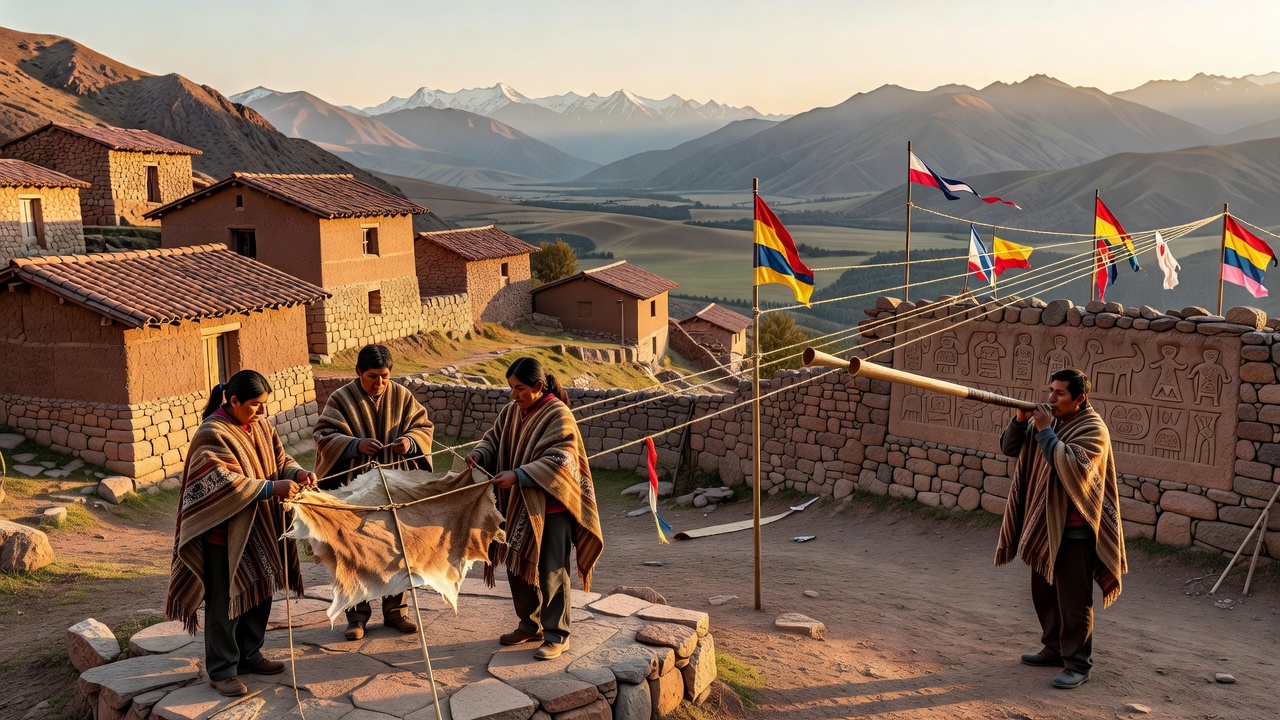
Communities adapted visual and auditory methods suited to rugged terrain where spoken messages could not carry across distances; smoke columns produced from specific resinous plants served as daytime alerts for weather changes or approaching groups, while bonfire arrangements at night conveyed coded sequences understood only within local kinship networks. Studies conducted by Andean research teams have catalogued over two dozen distinct smoke-signal patterns still referenced in oral histories collected during the twentieth century.
Drum and conch-shell calls supplemented these systems, with rhythms varying by valley to reduce misinterpretation by outsiders; acoustic analyses performed at multiple highland locations demonstrate how echo patterns from surrounding peaks allowed messages to travel several kilometers with minimal distortion. One study from a Canadian university documented how these techniques persisted into the colonial period, evolving into hybrid forms that blended pre-existing codes with new elements introduced by relocated populations.
Quipu Variants and Record-Keeping Adaptations
Although the knotted-cord quipu system originated in urban administrative contexts, remote groups modified knot configurations, color sequences, and cord materials to record agricultural yields, genealogies, and ritual calendars specific to their micro-regions. Field surveys by Peruvian cultural authorities have identified quipu fragments with unique decimal progressions that do not match the standardized formats preserved in museum collections from former imperial capitals.
Local weavers incorporated fibers from highland camelids unavailable in lower elevations, producing durable cords resistant to humidity fluctuations common above 4,000 meters; these adaptations allowed storage of multi-generational data without reliance on paper or scribes trained in distant centers. Linguistic documentation projects funded by European academic consortia reveal that accompanying oral explanations used dialects retaining archaic grammatical structures absent from urban Quechua variants.
Oral Traditions and Linguistic Divergence
Storytelling cycles preserved in remote settlements incorporated place-specific references to local flora, fauna, and celestial events that diverged from narratives standardized in urban temples; anthropologists working with Aymara-speaking groups have recorded versions of origin myths that emphasize valley autonomy rather than centralized authority. Vocabulary lists compiled since the 1990s show retention of terms for signaling equipment and path markers that have disappeared from metropolitan speech.
Transmission occurred through age-grade ceremonies and work-party songs, ensuring continuity across generations without written intermediaries; comparative analyses published in international journals indicate lexical differences exceeding 30 percent between highland isolates and urban centers for concepts related to weather prediction and herd management. These patterns persisted because travel restrictions imposed by terrain made frequent interaction costly in both time and resources.
Interactions with Broader Networks
Despite independence, settlements occasionally exchanged goods and information along secondary trails that bypassed major highways; evidence from trade-item distributions shows selective adoption of urban technologies only when they enhanced local signaling efficiency, such as incorporating metal bells into existing auditory repertoires. Government surveys from the Ministerio de Cultura in Peru continue to map these secondary routes, confirming their role in maintaining distinct communicative repertoires through the nineteenth century.
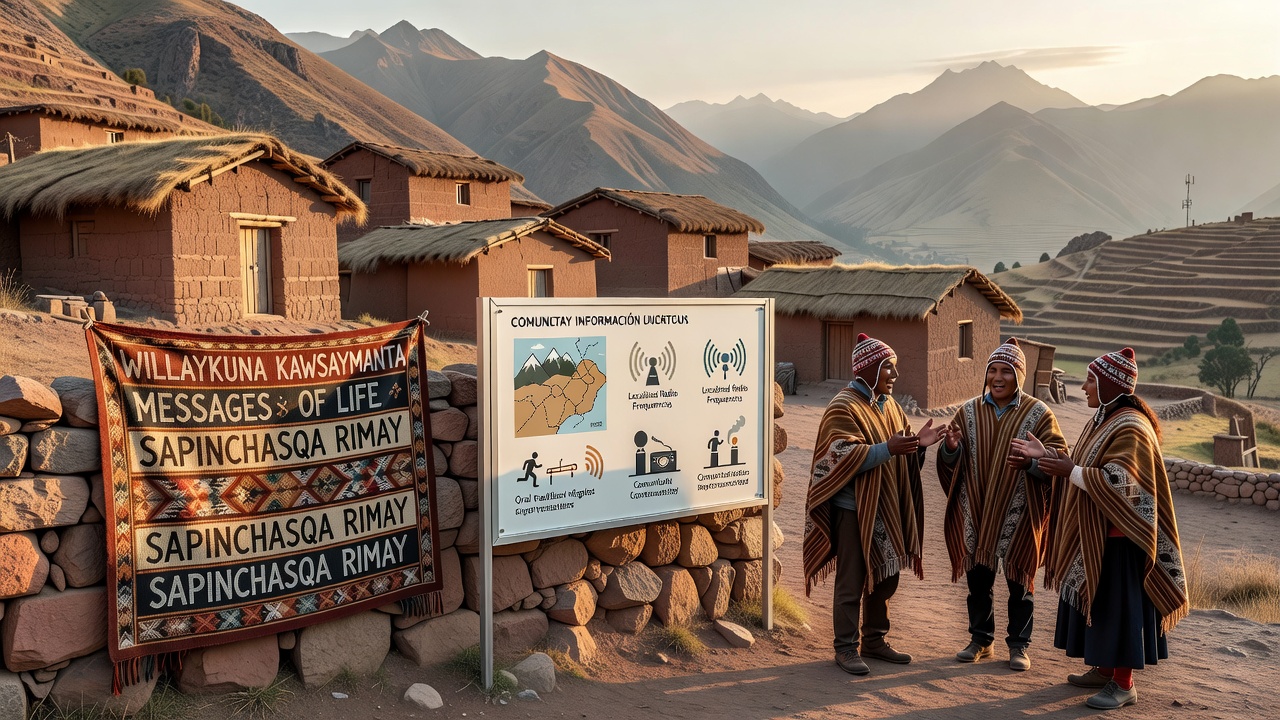
Modern documentation efforts, including those supported by Australian research institutions, track how contemporary communities blend traditional methods with radio and satellite phones while preserving core coding principles developed centuries earlier. Figures released in 2024 indicate ongoing use of visual markers during festivals that echo pre-colonial practices.
Conclusion
Remote Andean settlements cultivated communication styles rooted in environmental constraints and social priorities distinct from those of urban centers, resulting in layered systems of signaling, record-keeping, and oral transmission that endured across centuries. Ongoing fieldwork by diverse international teams continues to uncover additional variations that refine current understanding of these adaptive strategies.